Quick verdict
Keep records from the first purchase, even if you expect to hold for years. UK VAT and Capital Gains Tax treatment depends on the asset and circumstances, and rules can change. Record what you acquired, when, from whom, total cost, ownership route and eventual proceeds. Use HMRC’s current guidance or a qualified tax professional for product-specific decisions; do not rely on a dealer slogan or a general article alone.
Record the acquisition precisely
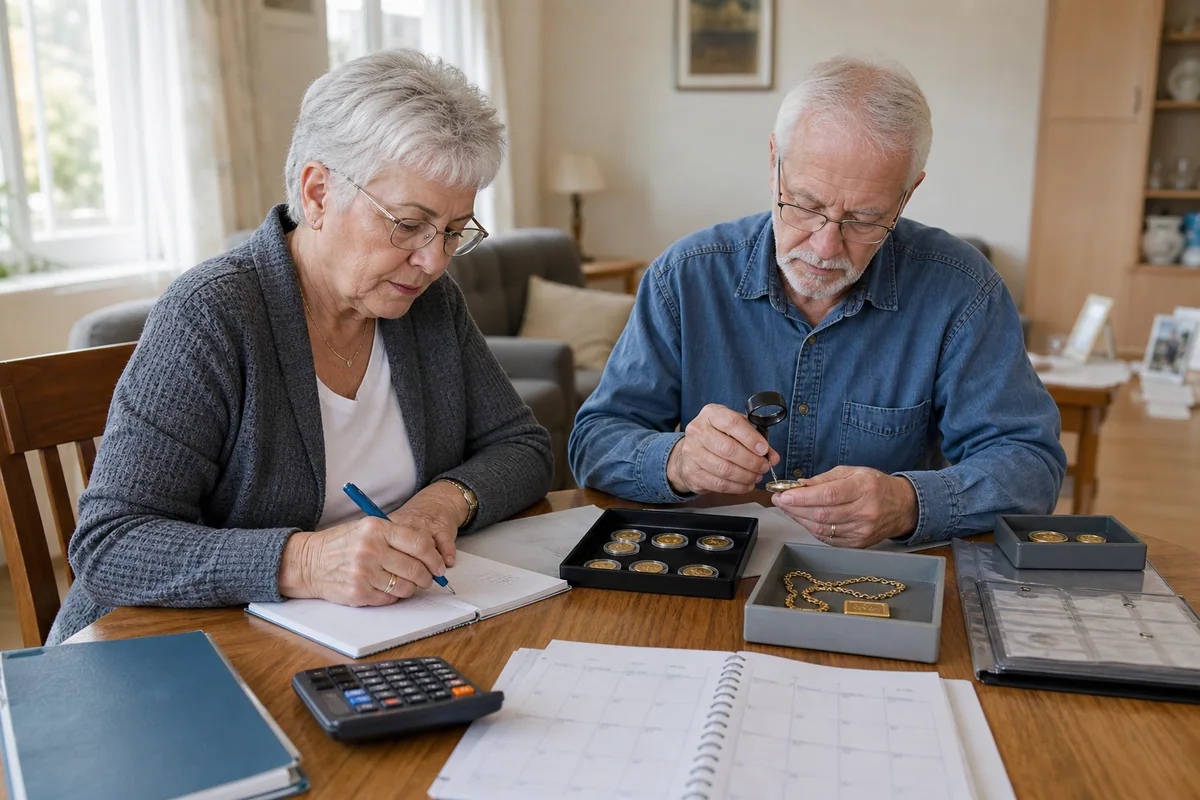
Save the dated invoice, dealer legal name, product name, mint or refiner, metal, weight, fineness, quantity and any serial number. Record the spot reference if shown, premium, delivery, insurance, payment and storage charges separately so you can explain the total paid. Keep proof of payment and delivery or vault allocation. For an exchange-traded product, retain contract notes, account statements, security identifier, units, dealing costs, currency conversion and corporate-action notices. The goal is a traceable acquisition cost and asset identity, not a folder of disconnected screenshots.
Separate tax categories from marketing labels
UK rules distinguish qualifying investment gold for VAT purposes using legal criteria, not simply the word “gold” in a product name. Jewellery, numismatic items, bars, coins, securities and mining shares can have different treatment. Some UK legal-tender bullion coins may have Capital Gains Tax characteristics that do not apply to other coins or bars, but individual circumstances and current rules matter. Do not turn a potentially useful feature into a blanket claim. Record the precise coin or security and check current HMRC guidance before buying or selling on a tax assumption.
Maintain a sale and transfer trail
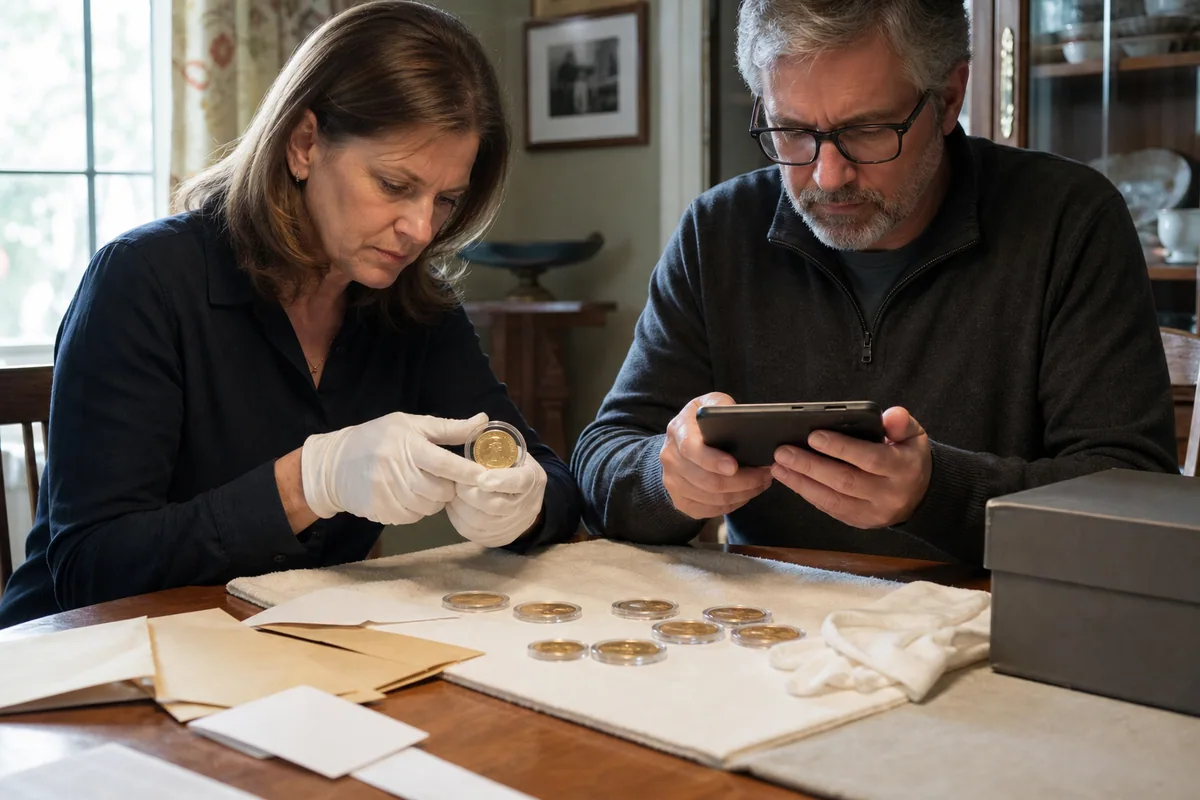
For a sale, retain the date, quantity, buyer, gross price, price-fixing time, assay or handling deduction, shipping, commission and net proceeds. If metal moves between home and a vault, or between family members, document the movement and seek advice about any tax or estate consequences. Gifts are not automatically outside tax rules. For inherited items, keep probate or valuation evidence and the basis advised by the estate professional. Where multiple identical assets were acquired at different times, a tax adviser can explain the applicable identification and pooling rules.
Build a review habit
Once a year, reconcile your ledger to the items or account statements you actually hold. Update secure photographs or serial records without exposing them publicly. Note where original documents are stored and how a trusted person could access them if you die or lose capacity. Before a material sale, download current HMRC guidance and confirm the tax year, allowances, rates and product treatment. Tax efficiency should support a suitable ownership decision, not justify a product with poor costs, custody or liquidity.
Often a better fit when
- UK buyers building a physical or exchange-traded gold holding over time.
- Self-employed people and families who need orderly evidence.
- Anyone expecting to gift, inherit or partially sell a holding.
Pause or skip when
- You are looking for a universal tax-free claim.
- The seller will not provide an adequate invoice or ownership record.
- Tax considerations are distracting from product suitability and loss risk.
Buying checklist
- Save itemised invoices and proof of payment.
- Record exact product identity, units, weight, fineness and serials.
- Separate premium, delivery, storage and transaction costs.
- Keep allocation, transfer, gift, inheritance and sale documents.
- Check current HMRC guidance or qualified advice before acting on tax assumptions.
Compare the route before the provider
Use our neutral framework to compare ownership, total cost, safeguards and exit terms.
Questions readers ask
Is all investment gold exempt from UK VAT?
Qualifying investment gold can be exempt under specific legal criteria, but not everything marketed as gold qualifies. Check the exact bar, wafer or coin against current HMRC guidance and obtain appropriate invoices.
Are all UK gold coins free of Capital Gains Tax?
No. Some UK legal-tender bullion coins may have favourable treatment for UK residents, but that does not extend to every coin, bar or gold-linked security. Verify the exact asset and your circumstances under current rules.
How long should I keep gold records?
Keep them for as long as they may be needed to establish ownership, acquisition cost, tax treatment, insurance or estate administration, and then for any legally required period after disposal. A tax professional can advise on your specific retention obligations.
Sources and further checks
Sources were last reviewed on 2026-08-26. Rules and provider terms can change.