Quick verdict
A well-installed home safe can suit a modest holding when insurance explicitly covers bullion and household access is tightly controlled. An allocated professional vault can suit larger values or renters who want specialist security, provided title, audit, insurance, withdrawal and wind-down terms are clear. Skip home storage when secrecy or installation cannot be managed. Skip a vault when ownership is unallocated or opaque, minimum fees dominate the holding, or physical access and sale procedures are impractical.
Price home storage as a complete system
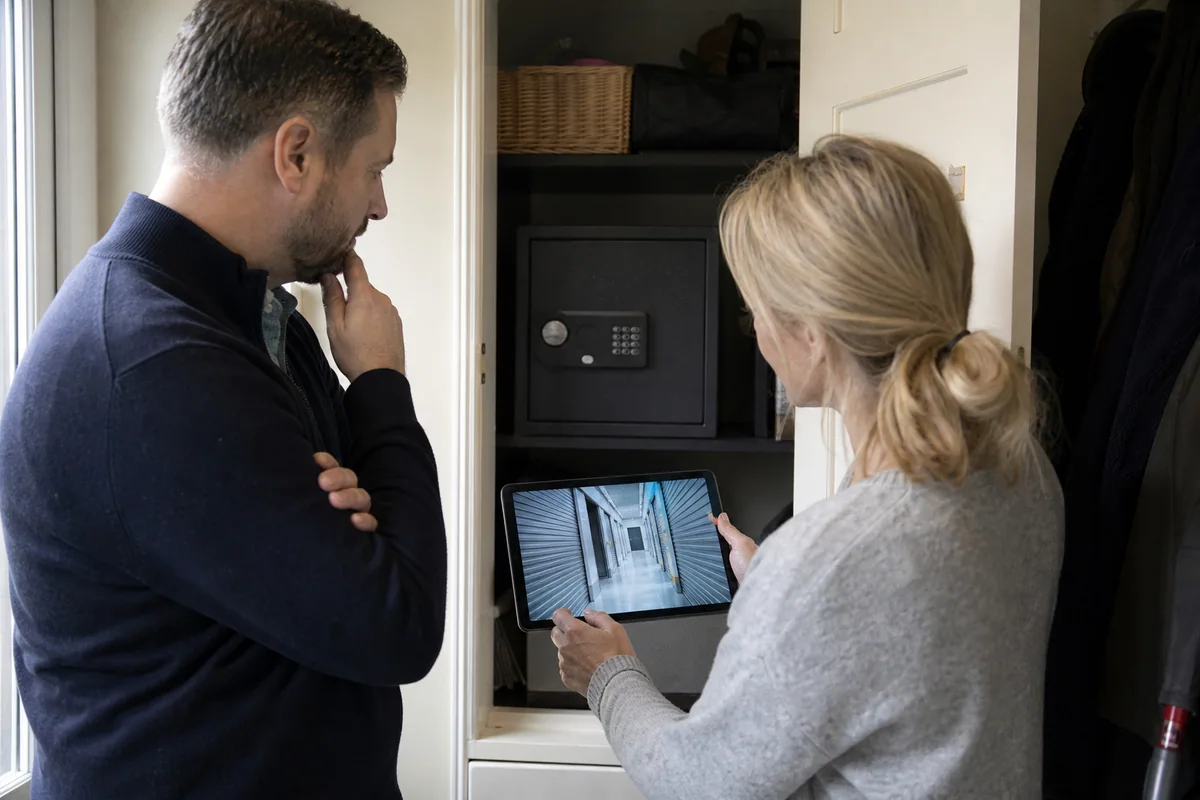
The cost is not merely the safe. Include professional installation, anchoring, possible building work, insurance changes, periodic maintenance and any monitored alarm needed by the policy. Ask the insurer in writing whether bullion is covered at home, the single-item and total limits, evidence requirements and conditions for an unoccupied property. Select an independently rated safe appropriate to the insured value and building, then follow installation requirements. Avoid casual hiding places, portable lockboxes and sharing the location widely. Consider fire and flood as well as theft. Keep invoices and an inventory somewhere secure but separate. If the safe advertises the existence of bullion to contractors or visitors, operational secrecy has failed. Our storage comparison should use five-year cost and access assumptions, not a one-off safe price.
Interrogate vault ownership and segregation
Ask whether specific coins or bars are legally allocated to the customer, how they are identified and whether they are segregated or pooled. Read the custody agreement for title, liens, subcustodians and insolvency treatment. Obtain the vault location, operator, audit frequency, independent reports, insurance scope, exclusions and claims process. “Fully insured” is incomplete without policy limits and who can claim. Check identity procedures, authorised contacts and what occurs when the provider closes. A professional building does not cure an unallocated contractual claim. World Gold Council principles emphasise protection of client assets and transparency, which provide a useful question set. If staff cannot explain how holdings are reconciled to customer records, remove the provider from the shortlist regardless of its security imagery.
Model access, delivery and sale in real life
List how quickly gold can be inspected, withdrawn or sold, and what each action costs. Some facilities permit appointments; others arrange insured delivery or restrict direct access. Confirm notice periods, minimum withdrawals, packaging, identity checks, dispatch insurance and destination limits. If the provider offers an internal market, compare its buyback formula with an external dealer and ask whether metal can be transferred without first taking home delivery. Home storage offers immediate physical access, but a sale may require secure transport or insured post and may increase personal-security risk. Include incapacity: can a properly authorised person act, and can an executor locate the provider without finding the security credentials? The best custody route remains workable on an ordinary weekday and during a difficult family event.
Use value and life changes as review triggers
Set a review date and triggers such as moving home, changing insurer, increasing the holding, separation, bereavement or a provider changing custodian. Recalculate the ratio of annual vault fees to holding value and the maximum insured home value. A hybrid may keep a few divisible coins accessible while larger units remain allocated professionally, but it also creates two inventories and two risk systems. Do not split storage merely to feel diversified; document the purpose of each location. Recheck access lists and provider statements annually. Avoid publishing photographs, delivery dates or storage clues. If the holding has grown beyond the safe rating or insurance limit, act before buying more. Storage is an ongoing service decision, not packaging added after a dealer order.
Often a better fit when
- Households comparing direct control with specialist custody using full costs.
- Renters or larger holders who can verify an allocated professional service.
- Owners prepared to review insurance, access and records every year.
Pause or skip when
- A home safe cannot be properly installed or insured at the holding value.
- A vault will not explain title, subcustody, insurance or provider failure.
- No trusted person could manage access during incapacity or estate administration.
Buying checklist
- Get written home-insurance limits and security conditions for bullion.
- Compare installation plus five-year ownership cost with complete vault fees.
- Confirm allocated title, identification, audits, insurance and insolvency treatment.
- Test inspection, withdrawal, delivery and sale steps including notice periods.
- Create a secure inventory and authorised-access plan for incapacity or death.
Compare the route before the provider
Use our neutral framework to compare ownership, total cost, safeguards and exit terms.
Questions readers ask
Does ordinary home insurance cover gold bullion?
Coverage varies widely and may be limited, excluded or conditional on declaring valuables and using specified security. Ask the insurer in writing before storing bullion at home. Check aggregate limits, evidence requirements, unoccupied-home conditions and whether the safe must meet a particular rating and installation standard. Do not rely on a generic valuables clause.
What does allocated vault storage mean?
Allocated gold is set apart or identified as belonging to specific owners or purposes. The contract should explain legal title, item identification, reconciliation and what occurs if the provider fails. Allocation is different from simply having exposure to a provider's pool of gold. Read audit, insurance, lien and withdrawal terms alongside the label.
Is a bank deposit box the same as a bullion vault?
No. Access, insurance, item declaration, operating hours, legal terms and permitted contents can differ. A deposit box provider may not insure the contents, while a bullion vault may offer inventory records and dealing services. Compare the actual contract and independent insurance rather than assuming either building type provides automatic protection.
Sources and further checks
Sources were last reviewed on 2026-08-26. Rules and provider terms can change.